May 11, 2026
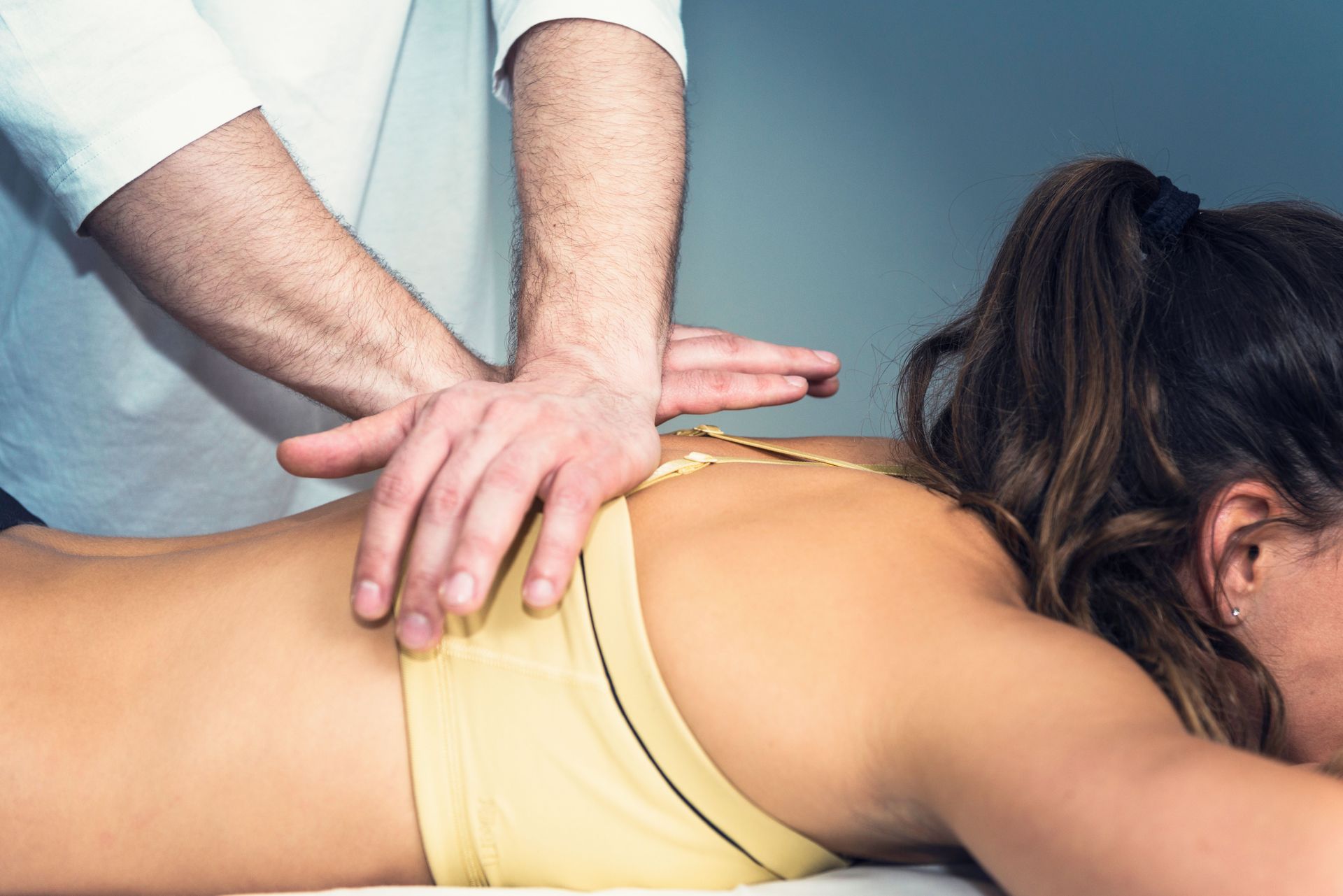
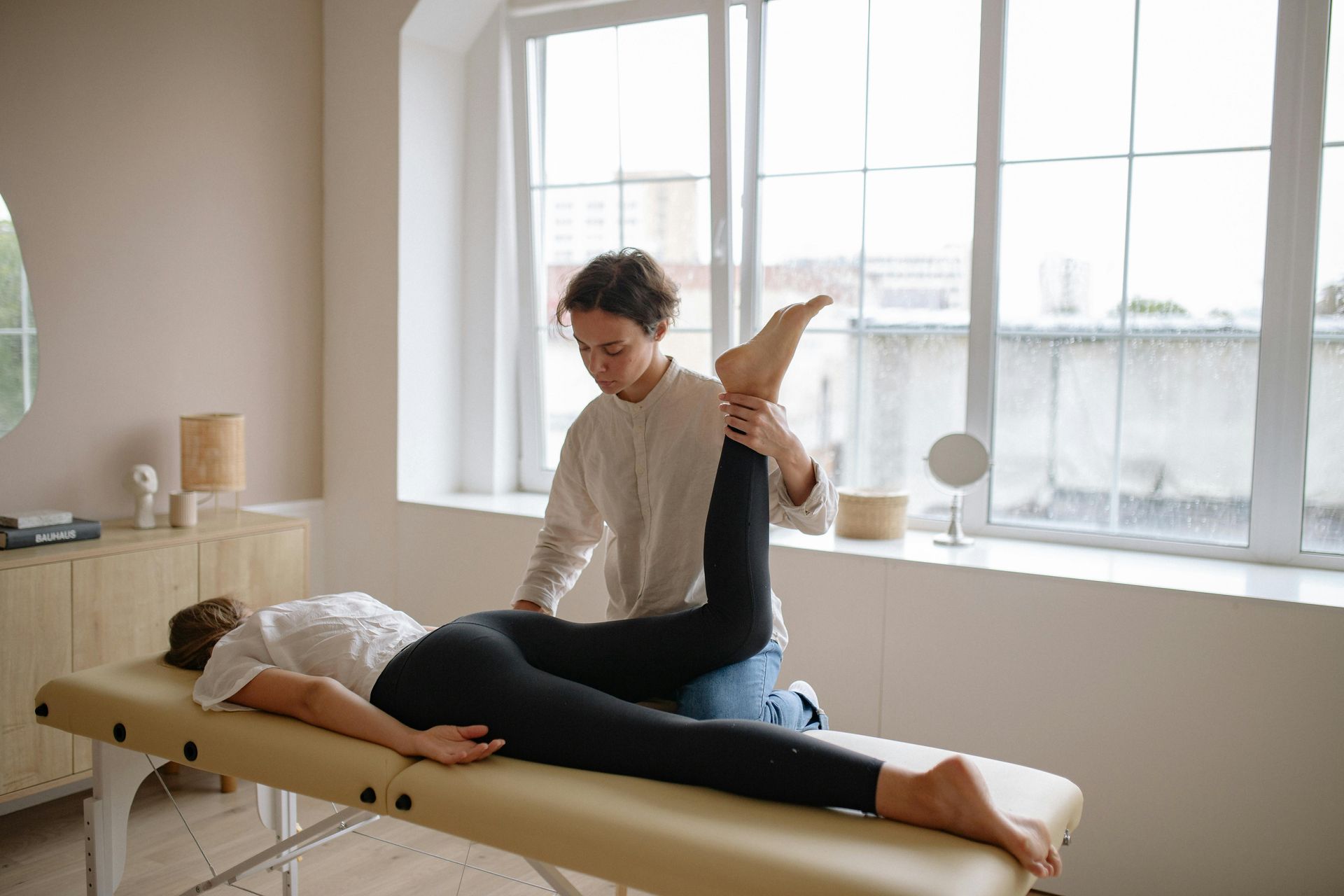
Sports massage provides therapeutic benefits that athletes and active individuals need for performance, recovery, and injury prevention, requiring regular professional treatment. Many people wonder how frequently they should receive sports massage, with optimal scheduling depending on training intensity, competition schedules, and individual needs. Understanding what factors determine appropriate massage frequency helps athletes maximize benefits while avoiding excessive treatment that budgets or schedules cannot sustain. The difference between occasional relaxation massage and strategic sports massage often comes down to frequency, timing, and therapeutic goals guiding treatment.
Understanding Training Intensity and Its Impact on Frequency
According to IBIS World, the massage service industry has expanded at a CAGR of over 6% over the past five years. Athletes training intensely multiple times daily require more frequent massage than recreational exercisers working out occasionally throughout weeks without competitive demands. High-volume training creates muscle tension, microtrauma, and fatigue that regular massage addresses, preventing the accumulation that overtraining and injury create. Training cycles, including peak periods, require increased massage frequency, with lighter training allowing reduced sessions while maintaining the benefits that consistency provides. Professional athletes often receive massages multiple times weekly during competitive seasons, maintaining tissue quality that performance demands under intense physical stress. A professional massage place recommends frequency based on training volume, competition schedules, and individual recovery needs rather than arbitrary schedules ignoring actual demands. The customized scheduling they provide through assessment ensures athletes receive appropriate frequency supporting performance without excessive treatment, creating unnecessary expense or time commitment.
Considering Competition Schedules When Planning Sessions
Pre-event massage differs from recovery sessions, with timing and techniques varying based on competition proximity, affecting how therapists approach treatment sessions. Light-stimulating massage 24-48 hours before events enhances performance, while deep tissue work too close to competition creates soreness, impairing performance. Post-competition massage within hours of events promotes recovery, reducing soreness and preventing the muscle tightness that inadequate recovery allows to develop. Off-season periods allow addressing chronic issues through deeper work that competition seasons cannot accommodate without risking performance impairment or increased soreness. A competition-aware massage place schedules sessions appropriately around events, using techniques matching competition timing rather than standard approaches, ignoring athletic schedules and demands. The timing expertise they provide through proper scheduling ensures that massage enhances rather than impairs performance when competitions demand peak physical condition.
Evaluating Recovery Needs Based on Individual Factors
Recovery speed varies among individuals, with age, experience, nutrition, and sleep affecting how quickly bodies repair from training stress and exertion. Older athletes or those new to sports often require more frequent massage, as recovery proves slower than that of younger or experienced athletes. Poor sleep, inadequate nutrition, or high life stress slow recovery, making massage more valuable for managing the accumulated fatigue that lifestyle factors create. Some individuals naturally recover quickly, requiring less frequent massage than others despite similar training loads and competitive demands affecting tissue quality. An individualized massage place assesses recovery capacity through discussion and observation, recommending frequency matching actual needs rather than generic schedules, ignoring personal factors. The personalized approach they provide through careful assessment ensures frequency recommendations reflect individual recovery patterns rather than assuming one-size-fits-all scheduling works.
Addressing Injury History and Chronic Problem Areas
Previous injuries or chronic problem areas require more frequent attention, preventing re-injury and managing scar tissue that affects movement and performance. Old injuries create compensation patterns that massage addresses, reducing the tension and imbalances that altered movement creates throughout connected muscle groups. Chronic issues, including IT band syndrome or plantar fasciitis, benefit from weekly treatment, preventing symptom recurrence that less frequent massage allows. Injury recovery periods require frequent massage supporting healing, with frequency reducing as recovery progresses and tissues return to normal function. A therapeutically-focused massage center recognizes injury patterns, addresses compensation, and recommends appropriate frequency for managing chronic issues, preventing recurrence, and promoting healing. The injury expertise they bring through assessment identifies problem areas requiring extra attention, ensuring frequency supports rather than just providing generic relaxation.
Balancing Budget Constraints With Therapeutic Needs
Ideal massage frequency might exceed budget realities, requiring prioritization, ensuring most important sessions occur even when optimal frequency proves unaffordable. Strategic timing around peak training or competition provides maximum benefit from limited sessions, making each massage count when frequency constraints exist. Self-care, including foam rolling, stretching, and ice baths, extends time between professional sessions, maintaining benefits that budget limitations might otherwise compromise. Massage packages or memberships often reduce per-session costs, making regular treatment more affordable than individual appointments at standard rates charged. A budget-conscious massage place offers packages making regular sessions affordable, discusses self-care extending benefits, and helps clients prioritize sessions when financial constraints limit frequency. The affordability options they provide through packages and education enable regular treatment despite budgets that single-session pricing might prevent affording consistently.
Recognizing Seasonal Training Variations Affecting Frequency
Training volume fluctuates seasonally for most athletes, with competitive seasons requiring increased massage frequency, which off-seasons allow reducing without compromising benefits. Base-building periods with high volume but low intensity benefit from regular massage, preventing the accumulated fatigue that recovery deficits create during foundation phases. Taper periods before major competitions require reduced massage intensity but maintained frequency, keeping tissues ready without deep work, creating soreness. Off-seasons allow addressing chronic issues through deeper work, using recovery time for intensive treatment that competitive periods cannot accommodate without performance risks. A seasonally-aware massage place adjusts frequency and techniques matching training cycles, providing appropriate support throughout seasonal variations rather than maintaining constant, unchanging approaches. The seasonal adaptation they provide through flexible scheduling ensures massage supports rather than conflicts with training periodization that competitive preparation demands.
Understanding Different Massage Types for Various Needs
Deep tissue work requires more recovery time between sessions than lighter maintenance massage, affecting how frequently athletes should receive different treatment types. Swedish or relaxation massage can occur more frequently than deep sports massage, as gentler techniques don't create the soreness that limits frequency. Trigger point therapy or myofascial release proves intense, requiring adequate recovery between sessions that daily treatment wouldn't allow without creating excessive soreness. Combining massage types within single sessions or alternating approaches between visits provides comprehensive care without overtreating tissues through excessive single-technique focus. A technique-diverse massage place offers various modalities, combining approaches appropriately and spacing intense work, ensuring recovery between sessions that tissue adaptation requires. The variety of techniques they provide through multiple approaches prevents overtreatment while comprehensively addressing needs that single-focus sessions might miss despite regular frequency.
Recognizing Warning Signs Indicating Frequency Adjustments
Persistent soreness, performance decline, or increasing injury frequency suggest that massage frequency is proving inadequate for the recovery demands that training creates currently. Conversely, feeling unchanged after sessions or experiencing no soreness might indicate excessive frequency, with diminishing returns suggesting reduced scheduling appropriateness. Mood changes, sleep disturbances, or elevated resting heart rate indicate overtraining, which increased massage frequency might help manage before a serious breakdown occurs. Communication with therapists about training, recovery, and how massage affects both helps determine whether the current frequency proves appropriate or requires adjustment. A responsive massage place monitors client responses, adjusts frequency based on feedback, and communicates regularly, ensuring treatment schedules remain appropriate as needs change. The monitoring they provide through ongoing assessment prevents both inadequate and excessive treatment, optimizing frequency supporting rather than interfering with training and recovery.
Understanding appropriate sports massage frequency helps athletes maximize benefits while managing budgets and schedules that realistic, sustainable treatment requires long-term. The training intensity, competition schedules, recovery capacity, and individual needs that frequency determination involves require professional assessment rather than arbitrary scheduling. Making informed decisions about massage frequency ensures athletes receive appropriate treatment supporting performance, recovery, and injury prevention that sports participation demands. Optimal frequency varies among individuals and changes with training cycles, making flexible scheduling more appropriate than rigid, unchanging appointment patterns. Whether you need reflexology massage, lymphatic work, hot stone massage, craniosacral massage, biodynamic craniosacral, reiki massage, oncology massage, therapeutic massage, therapeutic sports massage, prenatal massage, or Himalayan salt stone massage, Keeper of the Well Massage Health and Wellness accepts walk-ins, brings over 50 years of experience, and provides customized treatments. For more information, contact us today!